Tooth sensitivity is a common dental issue that affects many people at different stages of life. It often causes sharp or sudden pain when consuming hot, cold, sweet, or acidic foods and beverages. While occasional sensitivity may not be serious, persistent discomfort may indicate an underlying dental problem.
Understanding the causes of tooth sensitivity and seeking timely dental care can help prevent more serious oral health issues from developing. At Prodent Professional Dental Care, we focus on identifying the source of your sensitivity to provide the right relief.
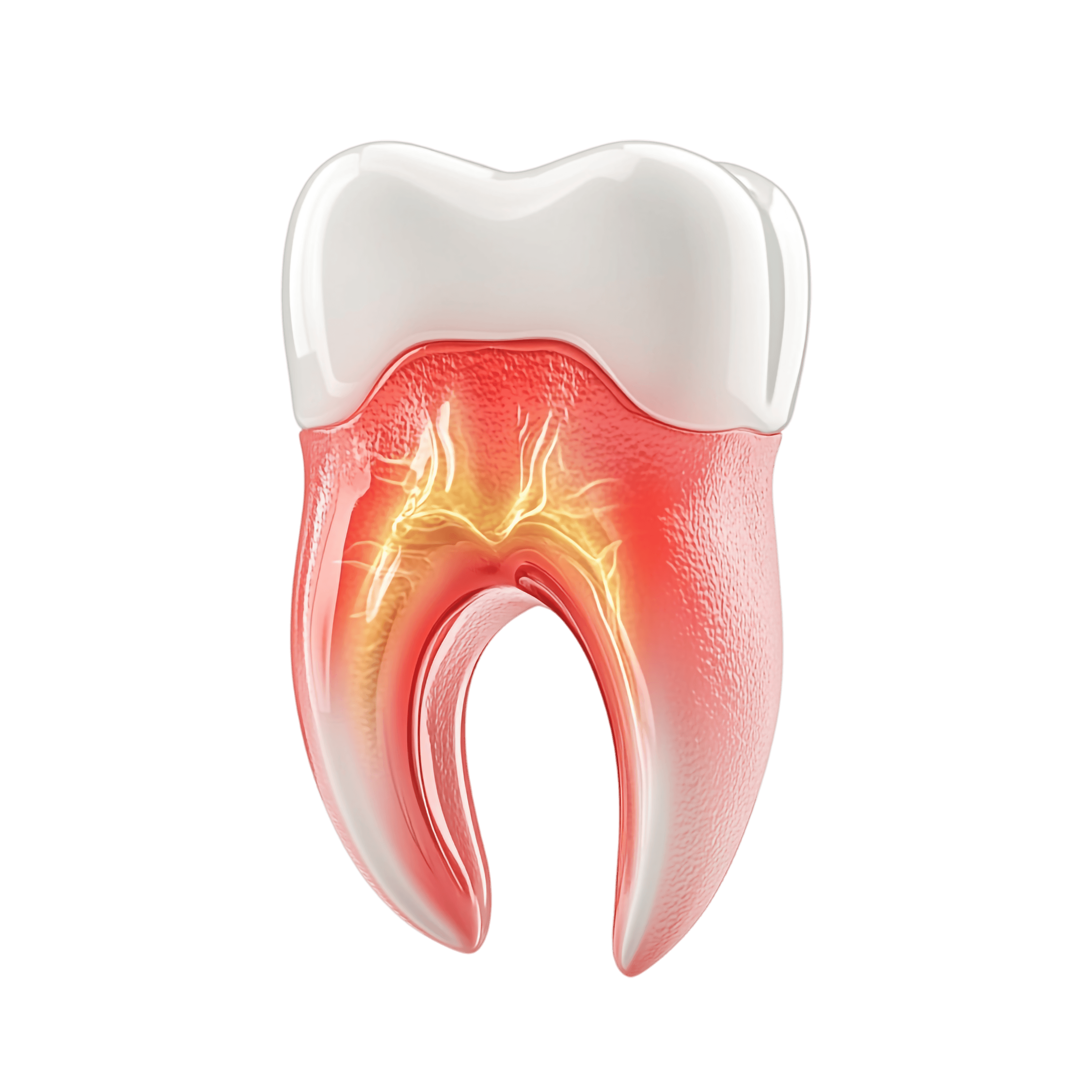
Tooth sensitivity occurs when the protective outer enamel layer of the tooth becomes worn down, or when gums recede, exposing the underlying layer called dentin. Unlike the hard enamel, dentin is much softer and more porous.
Dentin contains microscopic tubules (tiny channels) that connect directly to the nerves inside the inner pulp of the tooth. When this exposed dentin comes into contact with temperature changes or certain acidic or sweet foods, the sensation travels through these tubules directly to the nerve, triggering sharp pain or discomfort.
There are several reasons why your enamel might wear down or your dentin might become exposed. The most frequent causes include:
- Worn tooth enamel from aggressive brushing with hard bristles
- Gum recession exposing the vulnerable tooth roots
- Tooth decay or untreated cavities that penetrate the enamel
- Cracked or chipped teeth that expose the inner structures
- Temporary sensitivity following recent dental procedures
- Teeth grinding (bruxism) wearing down the tooth surface over time
The symptoms of tooth sensitivity are usually distinct and linked to specific triggers. You may notice:
- Sharp, sudden pain when consuming hot or cold drinks
- Discomfort or a lingering ache while eating sweet or highly acidic foods
- Pain or sensitivity while brushing or flossing your teeth
- A sudden twinge or sensitivity when breathing in cold air through your mouth
During a comprehensive dental examination, the dentist carefully checks for signs of enamel wear, cavities, gum recession, and other oral health conditions that may cause your sensitivity. They will visually inspect the gum line and the chewing surfaces of your teeth.
Advanced diagnostic tools such as digital X-rays may also be used to detect hidden dental problems beneath the tooth surface, such as deep decay or problems at the root, which cannot be seen during a visual exam.
The treatment for tooth sensitivity strictly depends on the underlying cause identified during your examination. Dentists may recommend several options to reduce discomfort and protect the tooth structure:
- Desensitizing toothpaste designed to help block the painful sensations traveling to the nerve
- Professional fluoride treatments applied in-clinic to strengthen existing enamel and reduce pain
- Dental bonding, which involves applying a tooth-colored resin to cover the exposed dentin and root surfaces
- Treatment for gum disease to address receding gums and protect the roots
- Root canal therapy for severe, persistent cases where the nerve itself is deeply inflamed or infected
Taking proactive steps in your daily oral hygiene routine can help prevent sensitivity from developing or worsening:
- Use a soft-bristled toothbrush to protect your enamel and gums
- Avoid brushing too aggressively; use gentle, circular motions
- Limit consumption of highly acidic foods and beverages that can erode enamel
- Maintain regular dental checkups for early detection of wear or decay
- Wear a custom mouthguard at night if you grind your teeth (bruxism) to protect the enamel
If tooth sensitivity persists for several days, interferes with your ability to eat, or becomes increasingly painful, it is important to seek professional dental care. Early diagnosis allows dentists to treat the root cause of the problem before it worsens into a condition that might require extensive treatments like root canals.
Tooth sensitivity can significantly affect your daily comfort and is often an indicator of an underlying dental problem, from worn enamel to gum recession. Understanding these causes and seeking timely dental treatment can help protect your teeth, restore your comfort, and maintain long-term oral health.
If you experience persistent tooth sensitivity, consult the dental professionals at Prodent Professional Dental Care to determine the exact cause and receive the appropriate, effective treatment for your smile.