Bleeding gums are a common dental problem that many people notice while brushing or flossing. Because it is so common, many patients ignore a little 'pink in the sink.' However, healthy gums should not bleed easily. Frequent bleeding is your body's way of signaling irritation, active inflammation, or an underlying gum disease that requires attention.
Although mild gum bleeding may occasionally occur due to improper or overly aggressive brushing techniques, persistent bleeding is a critical warning sign. If ignored, these oral health issues can escalate from mild discomfort to severe structural damage.
At Prodent Professional Dental Care, Dr. Trishit Chaki focuses on early diagnosis and advanced periodontal treatment to help our patients stop the bleeding, treat the infection, and maintain strong, healthy gums for life.
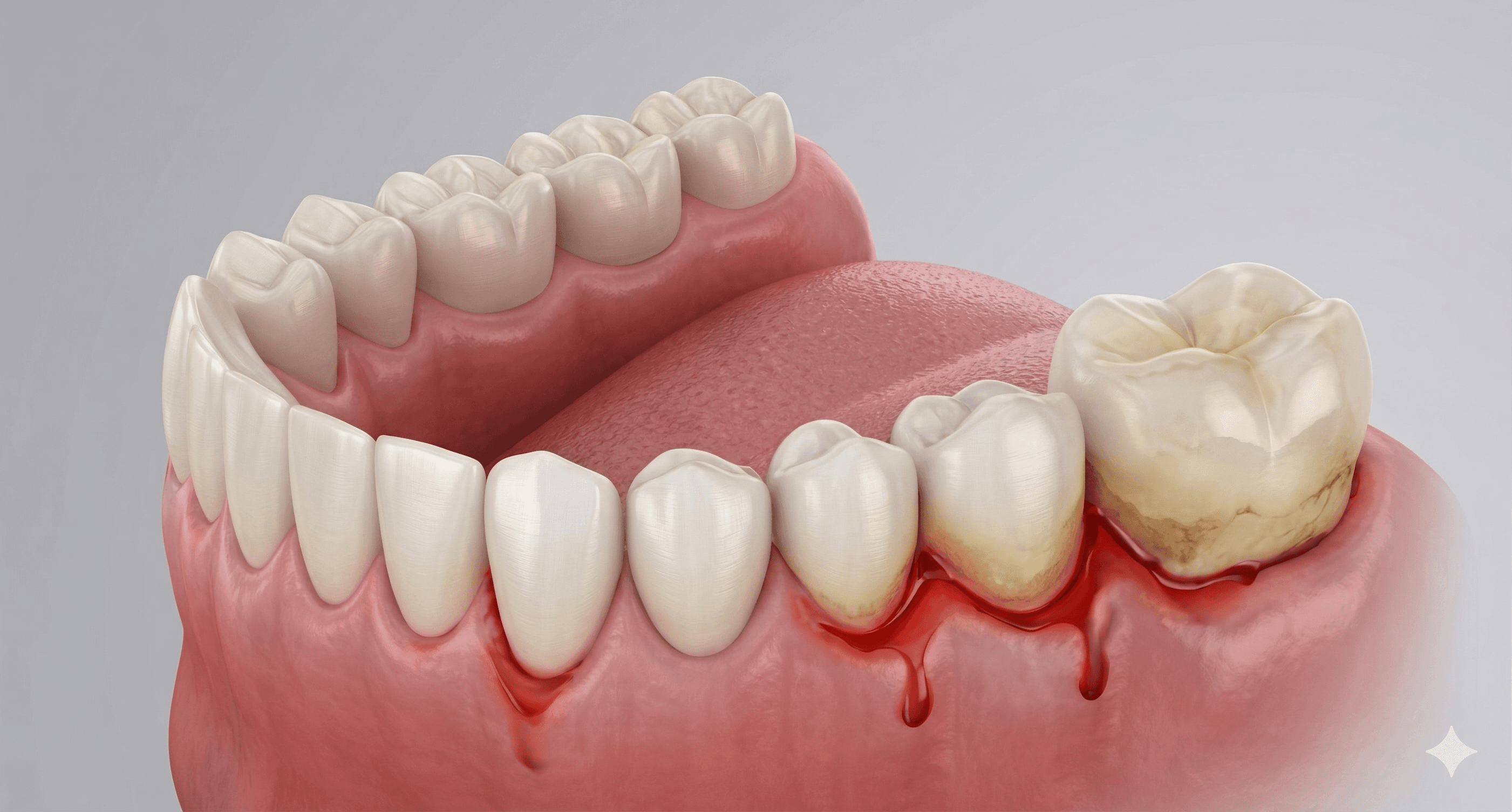
Bleeding gums occur when the delicate gum tissues supporting the teeth become inflamed and deeply irritated. This localized inflammation causes the blood vessels in the tissue to swell, making the gums highly sensitive and prone to bleeding during normal daily activities like brushing, flossing, or even chewing firm foods.
This condition is most commonly associated with gingivitis, which is the early, reversible stage of gum disease. If left untreated, gingivitis can progress into periodontitis, a more dangerous and irreversible infection that can cause the gums to pull away from the teeth and permanently damage the supporting bone structures underneath.
Bleeding is rarely the only symptom. Look out for these accompanying warning signs:
- Bleeding that occurs immediately while brushing or flossing
- Gums that appear noticeably red, swollen, or puffy
- Tenderness and sensitivity particularly around the gum line
- Persistent bad breath or a stubborn unpleasant taste in the mouth
- Receding gums that make the teeth look longer than usual
- Pain or dull discomfort while chewing
Several different lifestyle and biological factors can trigger gum irritation. Properly identifying the root cause is the first step toward getting the right treatment.
Inadequate, rushed, or skipped brushing and flossing allow a sticky film of plaque and bacteria to accumulate along the gum line. This bacteria produces toxins that directly irritate the gum tissue, leading directly to inflammation and bleeding.
Gingivitis is the most frequent clinical cause of bleeding gums. It is the direct result of prolonged plaque buildup. The symptoms include swelling, redness, and gums that bleed at the slightest provocation, though it is often otherwise painless.
Your gums require specific nutrients to remain resilient. A deficiency of vitamins, particularly Vitamin C (crucial for tissue repair) and Vitamin K (which helps blood clot), can weaken gum tissues on a cellular level and dramatically increase the risk of spontaneous bleeding.
Fluctuations in hormones alter the way your body responds to the bacteria in your mouth. Hormonal changes during pregnancy, puberty, or menopause create heightened vascular sensitivity in the gums, making them much more prone to swelling and bleeding.
Orthodontic braces, tight retainers, or poorly fitted dentures can physically rub against and irritate the gums, causing localized soreness and bleeding points where the appliance makes contact.
The treatment path for bleeding gums depends entirely on identifying the specific underlying cause during a clinical exam. Typical treatments include:
A standard professional dental cleaning carefully removes the hardened plaque (tartar) that you cannot remove at home. Clearing away this tartar removes the source of the gum inflammation.
If gum disease has progressed past simple gingivitis, advanced treatments such as deep scaling and root planing are required. This procedure carefully removes bacteria and tartar from deep beneath the gum line and smooths the tooth roots so the gums can heal and reattach.
Dentists may prescribe a specialized antibacterial mouthwash to aggressively control the bacteria population in the mouth and promote faster cellular healing.
The work doesn't stop when you leave the clinic. Good home care is essential for lasting recovery:
- Brush gently with a soft-bristled toothbrush to avoid mechanical trauma to the tissue
- Floss daily to remove the hidden plaque trapped directly between the teeth
- Rinse with warm salt water to naturally reduce swelling and soothe the irritated areas
- Avoid smoking and other tobacco products, which severely reduce the healing capacity of gum tissue
- Maintain a balanced diet rich in essential vitamins to support immune function
Prevention is always better than a cure. You can protect your gums proactively by:
- Maintaining strict, regular brushing and flossing habits every single day
- Visiting Prodent Dental for routine professional checkups every six months
- Eating nutritious foods that actively support gum and bone health
- Treating minor dental problems early before they become severe infections
If your gums bleed frequently, persistently, or are accompanied by obvious swelling, dull pain, or chronic bad breath, it is critical to consult a dentist. Do not attempt to treat severe gum pain with home remedies alone.
Bleeding gums are a clear, undeniable early warning sign of gum disease or poor oral hygiene routines. Addressing the problem early and aggressively can help you avoid pain and prevent serious, irreversible oral health complications like bone and tooth loss.
Maintaining proper oral hygiene at home and scheduling regular professional dental checkups with Dr. Trishit Chaki at Prodent Professional Dental Care will help keep your gums healthy and strong for a lifetime.